A tripping breaker is doing its job—protecting people and wiring from overheating. The key is figuring out why it trips and addressing the root cause safely. Use the guide below to separate overloads from faults, learn what you can try yourself, and know when to call a pro.
Quick ID: What Kind of Trip Is It?
| Symptom | Likely Cause | Typical Fix |
|---|---|---|
| Trips when many devices run (space heater + toaster + microwave) | Overload (too much current on one circuit) | Reduce load, add a new circuit, or redistribute devices |
| Immediate sharp trip when switching on | Short circuit (hot contacting neutral/ground) | Stop using. Inspect wiring/device; professional repair |
| Outdoor/bath/kitchen GFCI trips, sometimes in damp weather | Ground fault (current leaking to ground) | Dry/replace device or outlet; check wiring; seal boxes; pro evaluation |
| Random trips on a specific appliance (A/C, fridge, pool pump) | Appliance fault or motor starting issues | Service appliance; dedicated circuit; soft-start or breaker sizing review |
| Bedroom/living room trips with some vacuums/lamps | AFCI trip (arc-fault detection) | Check for damaged cords, backstabbed outlets; replace worn devices |
Most Common Causes
- Overload: Too many devices on one 15/20A circuit. Space heaters, hair dryers, microwaves, and vacuums are usual suspects.
- Short Circuit: A direct fault between hot and neutral/ground—often instant trips and sometimes a burnt smell.
- Ground Fault: Current leaking to ground, common outdoors, garages, kitchens, and baths—GFCIs trip to protect you.
- Appliance/Motor Issues: Seized bearings, bad capacitors, or failing compressors cause high inrush or sustained draw.
- Loose or Damaged Wiring: Backstabbed outlets, loose wirenuts, or nicked insulation lead to heat and nuisance trips.
- Wrong Breaker/Device Pairing: AFCI/GFCI requirements or breaker sizing not matched to circuit and load.
What You Can Try (Safely) Before Calling
- Reset once: Turn the breaker fully OFF, then firmly to ON. If it trips again immediately, stop and call a pro.
- Reduce portable loads: Unplug heaters, toasters, vacuums, and move them to another circuit; try again.
- Check GFCI outlets: Press RESET on kitchen/bath/garage/outdoor GFCIs. Replace wet/damaged devices.
- Inspect cords/devices: Look for warm plugs, scorch marks, or frayed insulation. Replace damaged items.
- Label what you learn: Note which outlets/lights are on the tripping breaker—this helps targeted fixes later.
When to Call a Licensed Electrician
- Breaker trips immediately on reset (short circuit likely)
- Trips persist even after unplugging everything you can
- Water intrusion, corrosion, or outdoor boxes with moisture
- Frequent AFCI trips in bedrooms/living areas
- Warm panel/breaker, buzzing sounds, or visible damage
- New high-draw loads (EV charger, hot tub, HVAC) on older service
Common Fixes & Upgrades We Perform
- Load rebalancing / new circuits: Split kitchens, garages, and workshops across dedicated circuits.
- Replace damaged devices: Outlets, switches, GFCI/AFCI receptacles, and worn cords/connectors.
- Correct wiring faults: Repair loose neutrals, bad splices, reversed polarity, improper grounds.
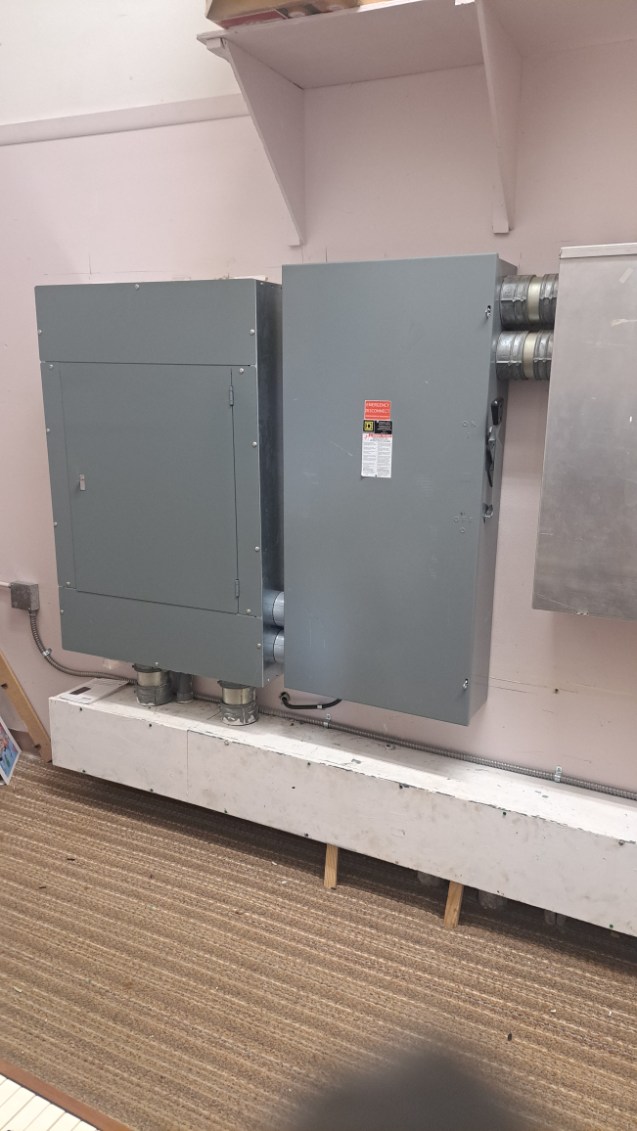
- Panel tune-up: Tighten lugs, replace weak breakers, label circuits, verify torque and connections.
- Service upgrades: 100→200A, subpanels for additions, or dedicated EV/hot tub circuits with permits.
FAQs
Is it safe to keep resetting a breaker?
No. One reset after reducing loads is fine. Repeated trips mean a real issue—continuing to reset can overheat wiring.
Do I need an AFCI or GFCI breaker?
Depends on location and code. Kitchens, baths, outdoors, garages need GFCI protection; many living areas require AFCI. We’ll advise what’s required and what’s smart.
My fridge trips a GFCI—what now?
Some older appliances have leakage current that nuisance-trips GFCIs. We’ll test the circuit and appliance to decide whether repair, relocation, or a dedicated circuit is best.